Crypto investing offers exciting opportunities but also comes with risks. Protecting your digital assets requires more than just choosing a wallet. It demands a solid understanding of security practices tailored for the crypto space. With hackers constantly developing new tactics, staying one step ahead is vital. Whether you’re new to DeFi or a seasoned enthusiast, adopting proven security measures can prevent losses and keep your assets safe. Let’s walk through practical crypto wallet security tips you can implement today.
Secure crypto wallets by using hardware options, safeguarding seed phrases, enabling strong authentication, and [staying informed about current threats](https://www.cdc.gov/cybersecurity/resources.html). Practical steps help prevent theft and hacking, ensuring your digital assets remain protected over time.
Understanding the importance of crypto wallet security
Crypto wallets are the gateways to your digital assets. They hold private keys that give access to your cryptocurrencies. If these keys fall into the wrong hands, your assets are vulnerable. Unlike traditional bank accounts, crypto wallets do not have insurance or recovery policies. That’s why security must be a priority. By applying the right safeguards, you reduce the risk of hacking, phishing, or accidental loss.
Types of crypto wallets and their security profiles
Knowing the differences among wallet types helps you choose appropriate security measures.
Hot wallets versus cold wallets
Hot wallets are connected to the internet. They are convenient for trading and quick transactions but are more exposed to online threats. Cold wallets are offline, such as hardware wallets or paper wallets. They offer higher security but less convenience.
Custodial versus self-custody wallets
Custodial wallets are managed by third-party providers. They often handle security for you but carry risks if the provider gets compromised. Self-custody wallets give you full control over your keys, making security your responsibility.
Practical crypto wallet security tips
Implementing these tips can significantly enhance your protection.
1. Use hardware wallets for long-term storage
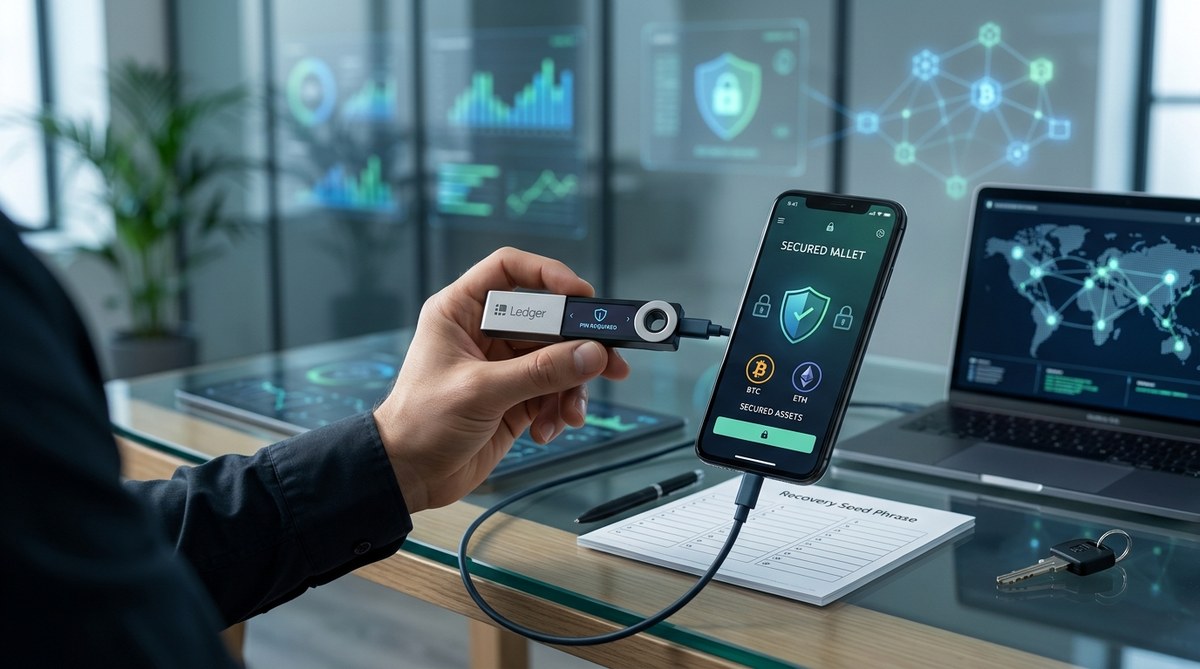
Hardware wallets, like Ledger or Trezor, store private keys offline. They are immune to online threats and malware. If you’re serious about safeguarding assets, investing in a hardware wallet is a wise move. They are especially recommended for holding large amounts of crypto or for long-term storage.
2. Safeguard your seed phrase at all costs
Your seed phrase is the master key to your wallet. Never share it or store it digitally unless encrypted. Best practice involves writing it down on paper and keeping it in a secure, private location. Avoid storing backups in cloud services or on your computer. Losing your seed phrase means losing access to your funds.
3. Enable multi-factor authentication (MFA)
Adding MFA to your wallet and exchange accounts creates an extra security layer. Use authenticator apps like Google Authenticator or hardware keys like YubiKey. This makes it much harder for hackers to access your accounts even if they have your password.
4. Keep your software updated
Regularly update your wallet apps, operating system, and security software. Updates often include patches for vulnerabilities that hackers might exploit. Neglecting updates leaves your devices open to attack.
5. Beware of phishing attempts and malicious links
Phishing remains a leading threat. Always verify website URLs before entering your private keys or seed phrases. Never click on suspicious links received via email or social media. Use bookmark trusted sites and avoid sharing personal information.
6. Use encrypted backups and multiple wallets
Create encrypted backups of your wallet and store them securely. Distribute assets across multiple wallets to reduce the impact of a single breach. Multi-wallet strategies can add layers of security and help recover funds more easily if one wallet is compromised.
7. Implement multi-signature wallets for enhanced security
Multi-signature wallets require multiple approvals for transactions. This setup prevents unauthorized transfers even if one key is compromised. They are ideal for organizational or high-value holdings.
Common security mistakes to avoid
Understanding common pitfalls helps you stay vigilant.
| Technique | Mistake to Avoid |
|---|---|
| Reusing passwords | Use unique, strong passwords for each account. |
| Ignoring seed phrase security | Never store seed phrases digitally or online. |
| Falling for phishing scams | Always verify URLs and sender identities before acting. |
| Neglecting software updates | Regularly update all wallet and device software. |
| Using public Wi-Fi for transactions | Avoid performing transactions on unsecured networks. |
| Sharing private keys or seed phrases | Keep these confidential at all costs. |
Expert advice on crypto wallet security
“Security isn’t a one-time setup. It is an ongoing process. Always stay informed about new threats and adapt your practices accordingly.”
— Cybersecurity expert
Common pitfalls and how to avoid them
While the above tips are effective, many users overlook certain risks. For example, leaving private keys on a device connected to the internet or sharing seed phrases with others can lead to irreversible losses. Always think of security as a layered approach. Combining hardware wallets with MFA and encrypted backups creates multiple barriers for hackers.
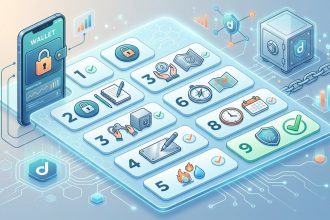
A simple checklist for safer crypto management
- [ ] Use a hardware wallet for large holdings
- [ ] Never share seed phrases or private keys
- [ ] Enable MFA on all accounts
- [ ] Keep all software updated regularly
- [ ] Verify all URLs before entering sensitive information
- [ ] Store seed phrases offline in a secure location
- [ ] Distribute assets across multiple wallets
- [ ] Use multi-signature wallets for high-value assets
- [ ] Stay informed about new scams and threats
Staying ahead in crypto security
Security in crypto is a continuous journey. Hackers are always innovating, but so are security professionals and users. Regularly review your security settings, stay updated on latest threats, and never become complacent. Think of your crypto assets as valuable jewelry. Keep them in a safe, private place and only handle them when necessary.
A practical approach to wallet security
Start by choosing the right wallet for your needs. If you’re holding significant amounts, prioritize hardware wallets and multi-signature setups. For smaller, day-to-day transactions, a well-secured hot wallet with MFA is sufficient. Always keep your seed phrase offline and encrypted. Remember, the best security is proactive, not reactive. Continuously educate yourself about new threats and adapt your defenses accordingly.
Final thoughts for safeguarding your crypto journey
Protecting your crypto assets is about building habits and making security a priority. No single tip guarantees complete safety but combining multiple best practices creates a robust defense. Keep your seed phrase private, use hardware wallets, enable MFA, and stay informed. As you grow more confident in your security practices, your digital assets will be better protected from the evolving landscape of cyber threats. Take these steps today to foster a safer crypto experience.