DeFi, or decentralized finance, is revolutionizing how we think about banking, investing, and financial services. Its core strength lies in its permissionless nature and the innovative use of blockchain technology. But what truly powers this ecosystem is the clever design of token incentives. These rewards motivate users, developers, and liquidity providers, fueling growth and shaping behaviors across protocols. To understand DeFi’s rapid expansion, it’s essential to grasp how token incentives work and how they influence long-term sustainability.
Token incentives in DeFi motivate participation, drive liquidity, and promote growth. Properly designed rewards align user behaviors with long-term sustainability while recognizing potential risks and pitfalls involved in over-reliance on incentives.
How Token Incentives Power DeFi Ecosystem Growth
Token incentives are the backbone of DeFi protocols. Unlike traditional finance, where intermediaries control rewards, DeFi relies on smart contracts to automatically distribute tokens based on predefined rules. These incentives attract users, liquidity providers, developers, and investors to participate actively in protocols.
When designed well, token incentives can:
- Encourage liquidity provision, making trading smoother and more efficient.
- Motivate users to stake or lock tokens, increasing network security.
- Drive protocol adoption through airdrops and rewards.
- Align stakeholders’ interests with the platform’s long-term success.
However, if incentives are poorly structured or overly aggressive, they can lead to unintended behaviors and sustainability issues. Let’s look at how these incentives influence various DeFi participants.
Types of Token Incentives in DeFi
Liquidity Mining and Yield Farming
Liquidity mining involves rewarding users with tokens for providing liquidity to decentralized exchanges or lending platforms. These rewards incentivize users to supply tokens to pools, which enhances trading volume and reduces slippage.
Staking Rewards
Protocols often require users to lock up tokens to secure the network or participate in governance. In return, they earn staking rewards, which promote stability and decentralization.
Airdrops and Community Rewards
Airdrops distribute free tokens to existing users or early supporters, encouraging engagement and onboarding new participants.
Governance and Utility Tokens
Some tokens grant voting rights or access to platform features. Incentives to hold or use these tokens foster active community governance.
Incentive Mechanics and Their Impact
The mechanics of these incentives can vary widely. For instance, emission schedules determine how many tokens are distributed over time, affecting inflation and user participation. Properly calibrated incentives can create a self-sustaining ecosystem, but excessive emissions may cause inflation and reduce token value.
Practical Steps to Harness Token Incentives Effectively
-
Align incentives with long-term goals: Design rewards that encourage behaviors like holding, staking, or contributing to protocol development rather than short-term pump-and-dump schemes.
-
Balance emission rates: Use a gradual emission schedule to prevent inflation and maintain token value. Consider decreasing rewards over time as the ecosystem matures.
-
Promote sustainable participation: Offer rewards that incentivize users to participate consistently rather than fleeting involvement.
-
Educate and promote safety: Ensure participants understand the risks of incentives, such as impermanent loss or over-leverage, and promote security best practices.
-
Monitor and adjust over time: Continuously analyze how incentives influence behavior and adjust parameters to prevent gaming or exploitative practices.
How to implement these steps in your project
- Identify the core behaviors that drive your ecosystem’s growth.
- Establish clear, measurable incentives aligned with these behaviors.
- Use transparent emission schedules and communicate them effectively.
- Incorporate community feedback to refine incentives.
- Regularly audit incentive programs to identify and mitigate abuse.
Risks and Challenges in Token Incentive Design
While incentives can accelerate growth, they also carry risks if misapplied:
| Technique | Potential Mistake | Explanation |
|---|---|---|
| Over-emission | Inflationary spirals | Excessive token issuance can devalue tokens and discourage holding. |
| Short-term focus | Pump-and-dump schemes | Incentives that reward quick gains may lead to unstable markets. |
| Ignoring security | Exploits and scams | Poorly secured incentive mechanisms can be exploited, risking user funds. |
| Lack of sustainability | Growth collapse | Incentives that do not adapt over time may burn out, causing ecosystem decline. |
Expert advice: “Design incentives that reward users for long-term engagement, not just quick profits. Sustainability depends on aligning short-term rewards with your protocol’s future vision.”
Common pitfalls to avoid
- Creating excessive inflation that dilutes token value.
- Offering rewards without clear utility or long-term alignment.
- Failing to audit smart contracts, risking security breaches.
- Ignoring community feedback and evolving incentives accordingly.
Strategies for Long-Term DeFi Growth
To foster lasting growth, protocols should combine incentives with other mechanisms:
- Token buybacks: Reduce circulating supply to support token price.
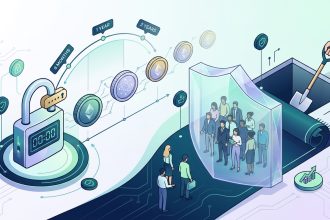
- Vesting schedules: Lock tokens for team and early investors to prevent dumping.
- Governance participation: Encourage token holders to influence development decisions.
- Utility expansion: Increase token utility beyond simple rewards.
Practical process for sustainable growth
- Set clear KPIs: Define what success looks like for your incentive programs.
- Design adaptable incentives: Adjust rewards based on market conditions and ecosystem health.
- Engage the community: Use governance tokens to involve users in decision-making.
- Diversify rewards: Combine multiple incentive types to appeal to different participant groups.
- Implement security audits: Regularly review smart contracts to prevent exploits.
The Balance Between Incentives and Security
While token rewards are powerful, safety remains paramount. Over-incentivizing can lead to unstable markets or malicious behaviors. Conversely, under-incentivizing may not attract enough participation. Striking the right balance involves:
- Transparent emission schedules
- Robust security practices
- Community engagement
- Flexibility to adapt incentives as the ecosystem evolves
Final Thoughts on Incentive-Driven DeFi Growth
Token incentives are a powerful tool to accelerate DeFi ecosystem growth, but they require careful planning and ongoing management. When aligned with the protocol’s long-term vision, incentives can motivate users, promote liquidity, and foster vibrant communities. However, over-reliance or poorly designed rewards can lead to instability and decline.
By understanding the mechanics behind token incentives and applying best practices, DeFi projects can build resilient and sustainable ecosystems. Remember to stay vigilant about security, monitor user behavior, and adapt incentives to changing conditions. This approach will help your project thrive in the dynamic landscape of decentralized finance.
Keep the momentum going
Applying thoughtful incentive design is an ongoing process. Regularly review your program’s impacts and be ready to tweak rewards for better alignment. Building a healthy DeFi ecosystem takes time, patience, and a keen eye for long-term sustainability. Stay engaged, listen to your community, and keep adapting. Your efforts will contribute to a more robust and innovative DeFi future.