DeFi or decentralized finance has opened exciting new doors for those wanting to take control of their money. It offers opportunities to earn yields, swap tokens, and access financial services without relying on traditional banks. For new crypto investors, the appeal is clear. However, jumping into DeFi without understanding the risks can lead to costly mistakes. Recognizing potential dangers helps you safeguard your investments as you learn more about the space.
DeFi offers freedom and high yields but comes with hidden risks like smart contract flaws, rug pulls, and market volatility. Educate yourself to protect your crypto journey and avoid costly pitfalls.
Understanding deFi risks for beginners is essential before you start investing. This guide will walk you through common dangers and practical steps to stay safe. Whether you’re staking, lending, or swapping tokens, knowing what can go wrong helps you make smarter choices.
The Hidden Dangers in DeFi That Beginners Often Miss
Many newcomers assume DeFi is automatically safe because it is decentralized or transparent. While transparency is a key benefit, it doesn’t eliminate risks. Some dangers are baked into the technology or human factors. Smart contracts, protocol design, and market behavior can all lead to unexpected losses. Being aware of these dangers is your best defense.
“In DeFi, the code is law, but that law can have vulnerabilities. Always review the security measures and community reputation before engaging.” — Crypto security expert
Why Are DeFi Risks Often Ignored?
DeFi’s rapid growth can make it tempting to jump in without due diligence. The promise of high yields and quick gains attracts many investors. Moreover, protocols often lack comprehensive regulation, making it easier for bad actors or flawed code to cause harm. Beginners tend to focus on potential profits and overlook the risks involved.
Top 5 Risks Every DeFi Beginner Should Know
1. Smart Contract Vulnerabilities
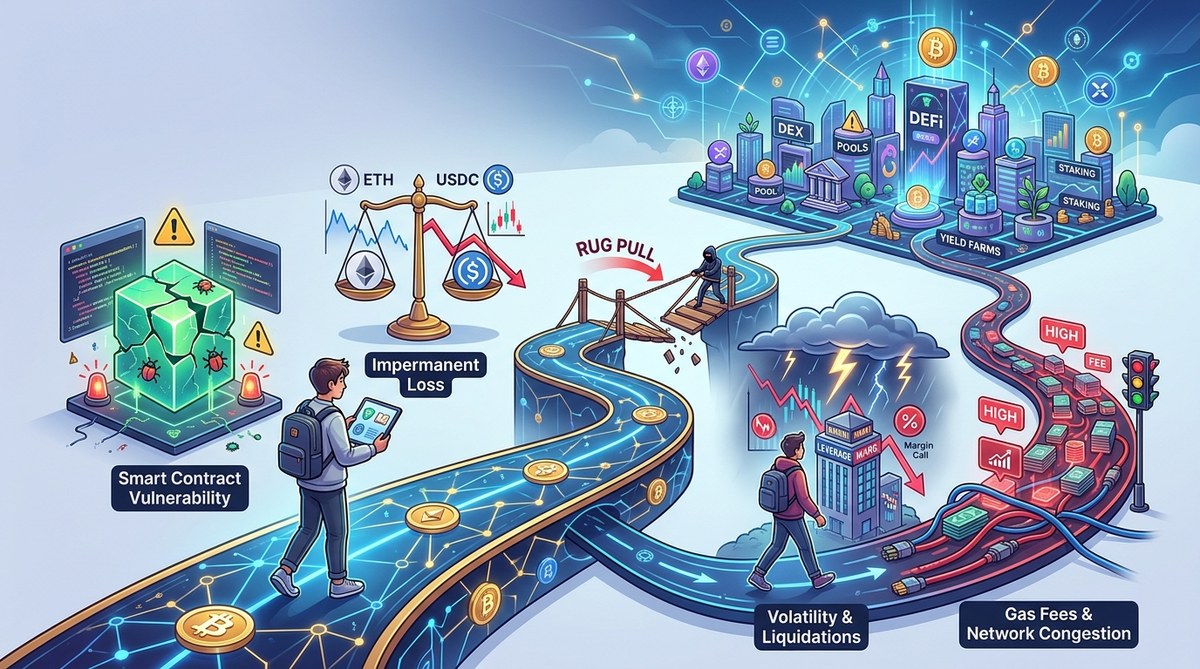
Smart contracts are self-executing code that run DeFi protocols. If there is a flaw or bug, hackers can exploit it to drain funds. Even audited contracts can have hidden issues. For example, reentrancy attacks or overlooked edge cases can lead to losses. Always check if the protocol has undergone thorough security audits and community testing.
2. Rug Pulls and Developer Exit Scams
A rug pull happens when developers create a seemingly legitimate project, attract funds, and then withdraw all liquidity. This leaves investors with worthless tokens. Many rug pulls happen in new projects with little transparency. Avoid investing in unknown protocols or those without a clear team and audit reports.
3. Impermanent Loss in Liquidity Pools
Liquidity providers risk losing money due to price fluctuations between paired tokens. This is called impermanent loss. If the price diverges significantly from the initial deposit, your share may be worth less than simply holding the tokens. Understanding how liquidity pools work and monitoring market conditions can help mitigate this risk.
4. Flash Loan Attacks and Exploits
Flash loans allow borrowing massive amounts of crypto without collateral, as long as the loan is repaid in one transaction. Attackers use flash loans to manipulate prices or exploit protocol vulnerabilities within seconds. These attacks can be complex but are increasingly common. Protect your investments by avoiding protocols with known attack vectors.
5. Oracle Manipulation
Oracles bring real-world data to smart contracts. If oracles are manipulated or compromised, they can feed false prices. This can trigger unintended liquidations or allow exploits. Protocols that use multiple oracles or decentralized data feeds are safer options.
Practical Steps to Protect Your DeFi Investments
-
Research Protocol Security
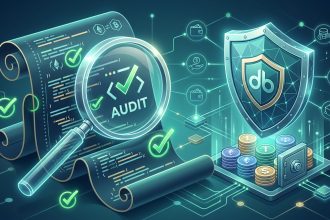
Always review whether a project has undergone third-party audits. Check community feedback and developer reputation. Use tools that analyze protocol security such as DeFi safety. -
Diversify and Limit Exposure
Avoid putting all your funds into one protocol. Spread your investments across different platforms. Set limits on how much you invest in high-risk protocols. -
Use Secure Wallets and Backup
Store your private keys and seed phrases securely. Hardware wallets offer better protection against hacks. Never share your seed phrase or approve suspicious transactions. -
Stay Informed on Protocol Updates
Follow official channels, community forums, and security reports. Protocols often release upgrades or patches fixing vulnerabilities. -
Be Cautious with High-Yield Offers
If a yield seems too good to be true, it probably is. High returns often come with higher risks. Always evaluate the sustainability of the protocol’s revenue model.
Comparing Techniques and Common Mistakes in DeFi
| Technique | Mistake |
|---|---|
| Conducting thorough audits | Investing without checking security audits |
| Using reputable wallets | Storing private keys insecurely |
| Diversifying investments | Putting all funds into risky protocols |
| Monitoring protocol updates | Ignoring security patches and upgrades |
| Setting clear exit strategies | Holding onto declining assets long term |
How DeFi Risks Can Lead to Losses
Imagine staking your tokens in a protocol that has a bug. A hacker exploits the vulnerability and drains the funds. Or consider investing in a new project that turns out to be a rug pull. In both cases, the initial promise of high yields turns into a complete loss. Understanding the tech, reputation, and market conditions helps you avoid these scenarios.
Real-World Examples of DeFi Failures
- The DAO Hack (2016): An exploit of a smart contract led to the theft of millions of dollars, prompting a hard fork of Ethereum.
- PlusToken Scam (2019): A Ponzi scheme disguised as a DeFi platform swindled investors out of billions.
- Poly Network Attack (2021): A hacker exploited a vulnerability to drain over 600 million dollars but later returned the funds.
- Rug pulls in new tokens: Many small projects have vanished with user funds, highlighting the importance of due diligence.
Building a Safer DeFi Experience
Start small. Use trusted protocols with a track record. Review security audits and community feedback. Never invest more than you can afford to lose. Keep your wallets secure and keep learning about emerging risks and solutions.
Navigating DeFi Safely Without Losing Your Mind
DeFi is a powerful tool but comes with significant risks. Educate yourself before jumping in. Use secure wallets, diversify your investments, and stay updated on protocol security. Remember, patience and caution often pay off more than chasing yields. By understanding deFi risks for beginners, you can enjoy the benefits while minimizing setbacks.
Keep Learning and Stay Safe in the DeFi Space
DeFi is a fast-changing landscape full of opportunities and pitfalls. A cautious approach combined with ongoing education will help you grow your crypto portfolio responsibly. Take your time to understand each protocol, review security measures, and stay connected with the community. Your safer DeFi journey begins with awareness—keep that in mind as you venture further into decentralized finance.