Category: Security

  • How to Spot a Rug Pull Before You Lose Your Crypto

    How to Spot a Rug Pull Before You Lose Your Crypto

    You’re scrolling through Twitter and see a new token that’s up 300% in 24 hours. The Telegram group has 10,000 members. Everyone’s posting rocket emojis. Your FOMO is kicking in hard. But before you ape in, you need to ask yourself one critical question: is this a rug pull waiting to happen?

    Key Takeaway

    Rug pulls drain billions from crypto investors annually. Learning to identify warning signs like anonymous teams, locked liquidity issues, suspicious tokenomics, and unaudited contracts can save your investment. Always verify project fundamentals, check smart contract permissions, and never invest more than you can afford to lose in new tokens.

    What exactly is a rug pull?

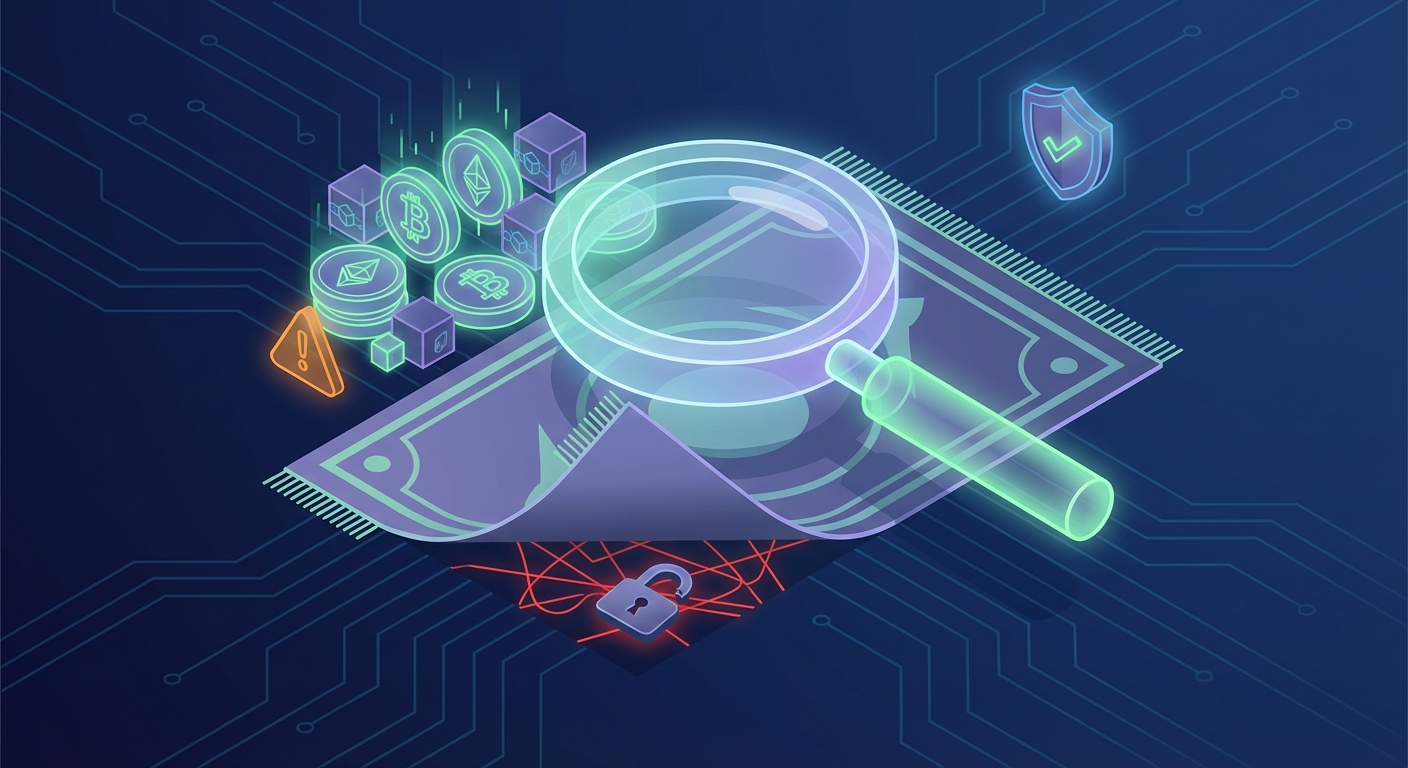
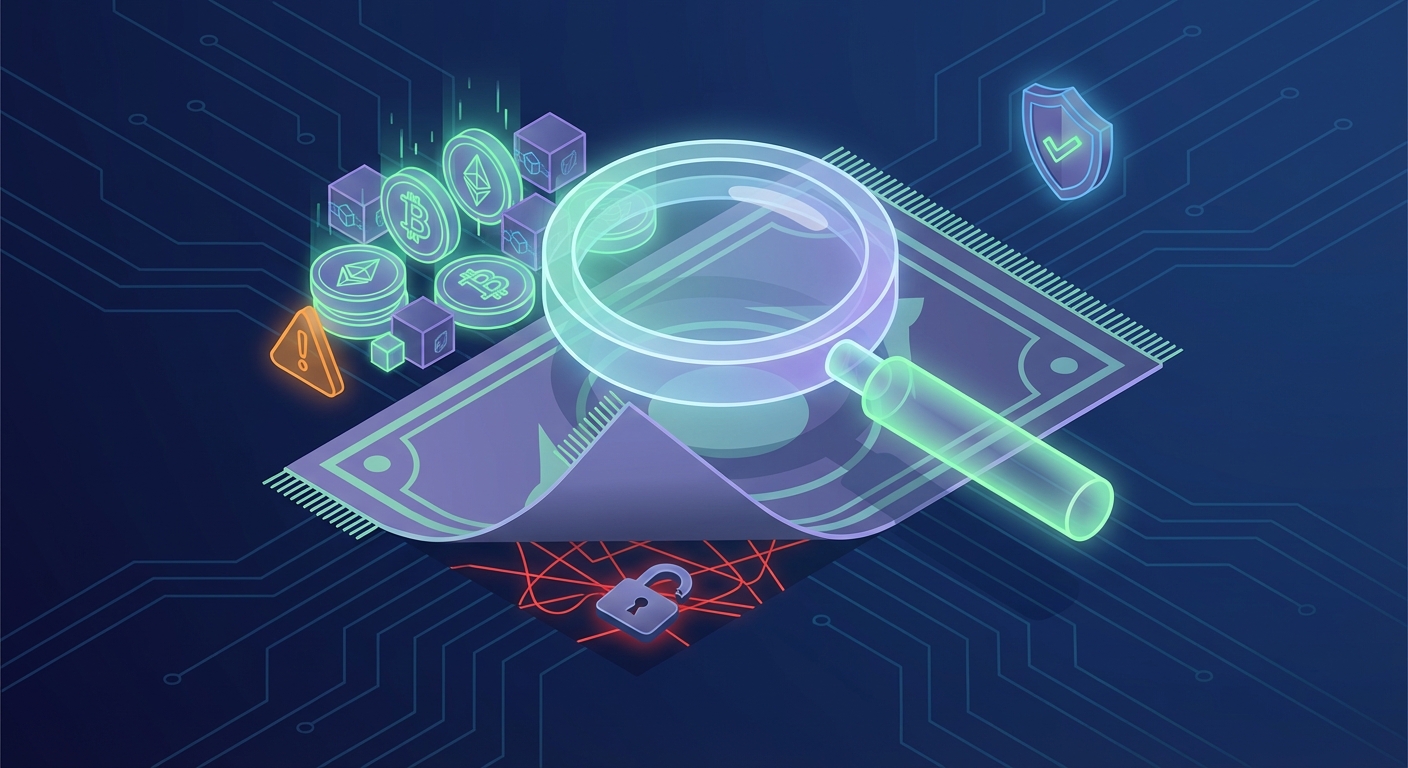
    A rug pull happens when developers abandon a project and run away with investor funds. The name comes from the phrase “pulling the rug out from under someone.”

    In crypto, this usually means the team drains the liquidity pool, leaving investors holding worthless tokens. Sometimes developers mint massive amounts of new tokens and dump them. Other times they build in backdoor functions that let them steal funds directly.

    The result is always the same. Your investment drops to zero in minutes.

    Hard rug pulls involve malicious code built into the smart contract from day one. Soft rug pulls are slower. Developers gradually dump their holdings or stop working on the project after raising funds.

    Both types cost investors money. But hard rugs are faster and more devastating.

    Red flags in the team and project background
    How to Spot a Rug Pull Before You Lose Your Crypto - Illustration 1

    Anonymous teams aren’t automatically scams. Bitcoin’s creator remains unknown. But for new DeFi projects, anonymity is a major warning sign.

    Check if the team has real LinkedIn profiles with work history. Look for previous projects they’ve built. Search their names on Twitter and GitHub. Real builders have digital footprints.

    If the website only shows cartoon avatars and fake names, be extremely cautious. Scammers hide their identity because they plan to disappear.

    Here are specific team red flags to watch for:

    • No team section on the website at all
    • Stock photos used for team member headshots
    • Team members with no social media presence
    • Developers who won’t do video AMAs
    • Contradictory information about team credentials
    • Team members who joined Twitter the same month as the project launch

    The project’s communication matters too. Legitimate teams answer hard questions. Scammers ban anyone who asks about liquidity locks or tokenomics.

    Join the Telegram or Discord. Ask a technical question about the smart contract. See how admins respond. If they delete your message or call you a FUD spreader, that’s a red flag.

    Tokenomics that scream danger

    Tokenomics reveal a lot about developer intentions. Fair launches distribute tokens broadly. Rug pulls concentrate tokens in a few wallets.

    Check the token distribution on a blockchain explorer. If the top 10 wallets hold more than 50% of the supply, that’s concerning. Developers can dump those holdings and crash the price.

    Look at the initial liquidity too. Projects that launch with tiny liquidity pools (under $10,000) are easier to manipulate. A single whale can swing the price dramatically.

    Here’s a comparison of healthy versus suspicious tokenomics:

    Factor Healthy Project Rug Pull Warning
    Team allocation Under 15%, vested over time Over 30%, unlocked immediately
    Liquidity Locked for 6+ months Unlocked or short lock period
    Top 10 holders Under 30% of supply Over 50% of supply
    Initial liquidity $50,000+ Under $10,000
    Buy/sell tax Under 10% total Over 15% or asymmetric

    Watch out for projects with different buy and sell taxes. If selling costs 20% but buying costs 5%, developers make it expensive to exit. That’s a trap.

    Some tokens have maximum transaction limits. You can only sell 1% of the supply at once. Developers exempt themselves from this rule in the code. They can dump everything while you’re stuck.

    Smart contract red flags you can check yourself

    You don’t need to be a programmer to spot dangerous contract functions. Several free tools scan contracts for common rug pull mechanisms.

    Start with the contract verification status. On Etherscan or BscScan, verified contracts show their source code. Unverified contracts hide their code. That’s an immediate red flag.

    Even if you can’t read Solidity, look for these function names in verified contracts:

    • mint() or _mint() without restrictions
    • setTaxPercent() or similar tax modification functions
    • excludeFromFee() that exempts certain addresses
    • transferOwnership() without timelock
    • Proxy or upgradeable contract patterns

    Unlimited minting means developers can create infinite tokens and dump them. Tax modification functions let them change sell fees to 99% after you buy. Ownership transfer without delays means they can hand control to a new wallet instantly.

    Use Token Sniffer or RugDoc to automatically scan contracts. These tools check for common vulnerabilities and give risk scores.

    Here’s how to do a basic safety check in three steps:

    1. Copy the contract address from the project’s website or DEX listing
    2. Paste it into Token Sniffer or a similar scanning tool
    3. Review the automated findings for high-risk functions or concentrated ownership

    If the scanner shows critical issues, don’t invest. Even medium-risk findings deserve careful consideration.

    Liquidity and trading analysis

    Locked liquidity is one of the best protections against rug pulls. When developers lock liquidity tokens in a time-locked contract, they can’t drain the pool early.

    Check if liquidity is locked using Unicrypt, Team Finance, or similar platforms. Look for locks lasting at least six months. Longer is better.

    Some projects claim locked liquidity but use short lock periods. A seven-day lock means nothing. Developers can rug pull next week.

    Watch the liquidity depth too. Healthy projects maintain stable or growing liquidity. If liquidity suddenly drops by 20% or more, someone might be preparing to exit.

    Trading patterns reveal manipulation. Check the transaction history on a DEX scanner. Look for:

    • Repeated buys from the same wallet addresses
    • Suspiciously round number purchases (exactly 1 ETH, 10 BNB)
    • Wallets that buy and never sell
    • Coordinated buying that stops suddenly

    These patterns suggest wash trading or bot activity to fake volume and interest.

    Real organic growth shows varied transaction sizes from many different wallets over time. Artificial hype shows repetitive patterns and suspicious coordination. Trust the data, not the marketing.

    Social media and community warning signs

    Scammers create artificial hype through fake engagement. They buy Twitter followers, Telegram members, and Discord users.

    Check if social engagement matches follower counts. A project with 50,000 Twitter followers should get more than 20 likes per tweet. Low engagement relative to followers suggests purchased accounts.

    Look at the age of community members’ accounts. If most Telegram members joined in the last month, they might be bots. Real communities have members who joined at different times.

    Scam projects often promise unrealistic returns. “1000x guaranteed” or “next Bitcoin” claims are red flags. Legitimate projects discuss technology and use cases, not just price predictions.

    Watch how the community handles criticism. Healthy projects have constructive debates. Scam communities attack anyone who questions the project.

    Celebrity or influencer endorsements mean nothing without due diligence. Many influencers promote projects for payment without researching them. Some participate in pump and dumps.

    Website and documentation quality

    Professional projects invest in quality documentation. Scammers copy-paste templates and rush to launch.

    Check the whitepaper for substance. Does it explain the technology and business model clearly? Or is it full of buzzwords without technical details?

    Look for these documentation red flags:

    • Grammatical errors and typos throughout
    • Copied content from other projects
    • Vague explanations of how the protocol works
    • Missing technical specifications
    • No roadmap or unrealistic timeline
    • Placeholder text like “lorem ipsum” anywhere

    Test all the links on the website. Broken links to audit reports or team LinkedIn profiles suggest the project is hastily assembled.

    Check when the domain was registered using a WHOIS lookup. Domains registered days before launch indicate minimal preparation. Legitimate projects usually secure their domain months in advance.

    Audit reports and their limitations

    Security audits from reputable firms add credibility. But they’re not foolproof protection.

    Some projects pay for audits then change the contract code afterward. Always verify the audited contract address matches the deployed contract.

    Not all audit firms are equal. Top firms like CertiK, PeckShield, and Trail of Bits have strong reputations. Unknown firms might provide rubber-stamp audits for payment.

    Read the actual audit report, not just the summary. Look for critical or high-severity findings. Check if developers fixed the issues or deployed anyway.

    Some scam projects fake audit reports entirely. Verify the audit exists on the security firm’s official website. Don’t trust a PDF hosted only on the project’s site.

    Remember that audits check for technical vulnerabilities, not business model viability. An audited contract can still be a bad investment if the tokenomics are predatory.

    Testing with small amounts first

    Even after checking everything, start with a small test investment you can afford to lose completely.

    Try buying a small amount. Then immediately try selling it. Some scam tokens let you buy but block selling through hidden contract functions.

    If the sell transaction fails or the slippage is extreme, exit immediately. Don’t throw good money after bad hoping it will fix itself.

    Watch the price action after your test purchase. Does it move normally? Can other people sell successfully? Check recent transactions on the blockchain explorer.

    Small test amounts protect you from total loss while letting you verify the token functions as advertised.

    Tools that make detection easier

    Several free platforms help identify rug pulls before they happen:

    • BscScan/Etherscan: View contract code, holder distribution, and transaction history
    • Token Sniffer: Automated contract scanning for common scam patterns
    • RugDoc: Community-driven reviews and contract analysis
    • DexTools: Chart analysis, holder tracking, and liquidity monitoring
    • Honeypot.is: Tests if tokens allow selling or trap your funds

    Bookmark these tools and use them before every investment in new tokens. Spending five minutes on research can save thousands of dollars.

    Set up alerts for liquidity changes if you hold positions in newer tokens. Some platforms notify you when liquidity drops significantly.

    What to do if you suspect a rug pull

    If you’re already invested and notice warning signs, act fast. Don’t wait for confirmation.

    Try to sell your position immediately. Even if you take a loss, getting out with something is better than losing everything.

    If selling fails, you’re likely already rugged. Document everything: transaction hashes, contract addresses, Telegram messages, website screenshots.

    Report the scam to the relevant authorities. File reports with the FBI’s IC3 (if you’re in the US) or your local cybercrime unit. Report the contract address to the blockchain explorer and DEX where it’s listed.

    Share your experience on social media to warn others. Tag the project and explain what happened. You might prevent others from losing money.

    Don’t chase recovery scams. After rug pulls, scammers often pose as lawyers or recovery services promising to get your funds back for an upfront fee. These are secondary scams targeting victims.

    Building your scam detection instinct

    The more projects you analyze, the faster you’ll spot red flags. Make it a habit to check fundamentals before investing.

    Keep a checklist of items to verify. Run through it for every new token. Don’t skip steps because of FOMO or because everyone else is buying.

    Follow experienced crypto security researchers on Twitter. They often expose scams and explain new attack vectors.

    Learn from past rug pulls. Study famous cases like Squid Game token or Uranium Finance. Understanding how previous scams worked helps you recognize similar patterns.

    Trust your instincts. If something feels off, it probably is. No legitimate investment opportunity requires you to decide in the next five minutes.

    Protecting yourself goes beyond detection

    Rug pull detection is crucial, but it’s part of a broader security strategy.

    Never invest money you need for living expenses. Only use funds you can afford to lose completely. Crypto is high risk, and new tokens are the highest risk category.

    Diversify across established projects with long track records. Don’t put your entire portfolio in new launches hoping for 100x returns.

    Use hardware wallets for significant holdings. Keep only trading amounts in hot wallets connected to DeFi protocols.

    Stay educated about new scam techniques. Attackers constantly develop new methods. What worked to detect scams last year might not catch this year’s innovations.

    Your safety checklist before investing

    Before putting money into any new token, verify these items:

    1. Team is doxxed with verifiable backgrounds
    2. Contract is verified and scanned for malicious functions
    3. Liquidity is locked for at least six months
    4. Top holders own less than 30% combined
    5. The project has quality documentation explaining its purpose
    6. Social media engagement appears organic
    7. No promises of guaranteed returns
    8. You’ve tested buying and selling with a small amount

    If any item fails, reconsider the investment. If multiple items fail, walk away.

    Staying safe in a risky space

    Learning how to spot a rug pull crypto takes practice, but these skills will serve you throughout your crypto journey. The warning signs are usually there if you know where to look.

    Scammers rely on FOMO, greed, and lack of due diligence. By taking time to verify projects before investing, you put yourself ahead of most retail investors who lose money to obvious scams.

    No checklist catches every scam. New attack vectors emerge constantly. But following these guidelines dramatically reduces your risk. Combine them with conservative position sizing and you can participate in new projects while managing your downside.

    The crypto space needs more educated investors who demand transparency and security. By refusing to invest in suspicious projects, you make the ecosystem safer for everyone. Your skepticism and research protect not just your funds, but help starve scammers of the capital they need to keep operating.

    Stay curious, stay cautious, and never stop learning. The best defense against rug pulls is an informed investor who won’t fall for obvious red flags.
  • How to Spot a Rug Pull Before You Lose Your Crypto

    How to Spot a Rug Pull Before You Lose Your Crypto

    You’re scrolling through Twitter and see a new token that’s up 300% in 24 hours. The Telegram group has 10,000 members. Everyone’s posting rocket emojis. Your FOMO is kicking in hard. But before you ape in, you need to ask yourself one critical question: is this a rug pull waiting to happen?

    Key Takeaway

    Rug pulls drain billions from crypto investors annually. Learning to identify warning signs like anonymous teams, locked liquidity issues, suspicious tokenomics, and unaudited contracts can save your investment. Always verify project fundamentals, check smart contract permissions, and never invest more than you can afford to lose in new tokens.

    What exactly is a rug pull?

    A rug pull happens when developers abandon a project and run away with investor funds. The name comes from the phrase “pulling the rug out from under someone.”

    In crypto, this usually means the team drains the liquidity pool, leaving investors holding worthless tokens. Sometimes developers mint massive amounts of new tokens and dump them. Other times they build in backdoor functions that let them steal funds directly.

    The result is always the same. Your investment drops to zero in minutes.

    Hard rug pulls involve malicious code built into the smart contract from day one. Soft rug pulls are slower. Developers gradually dump their holdings or stop working on the project after raising funds.

    Both types cost investors money. But hard rugs are faster and more devastating.

    Red flags in the team and project background

    How to Spot a Rug Pull Before You Lose Your Crypto - Illustration 1

    Anonymous teams aren’t automatically scams. Bitcoin’s creator remains unknown. But for new DeFi projects, anonymity is a major warning sign.

    Check if the team has real LinkedIn profiles with work history. Look for previous projects they’ve built. Search their names on Twitter and GitHub. Real builders have digital footprints.

    If the website only shows cartoon avatars and fake names, be extremely cautious. Scammers hide their identity because they plan to disappear.

    Here are specific team red flags to watch for:

    • No team section on the website at all
    • Stock photos used for team member headshots
    • Team members with no social media presence
    • Developers who won’t do video AMAs
    • Contradictory information about team credentials
    • Team members who joined Twitter the same month as the project launch

    The project’s communication matters too. Legitimate teams answer hard questions. Scammers ban anyone who asks about liquidity locks or tokenomics.

    Join the Telegram or Discord. Ask a technical question about the smart contract. See how admins respond. If they delete your message or call you a FUD spreader, that’s a red flag.

    Tokenomics that scream danger

    Tokenomics reveal a lot about developer intentions. Fair launches distribute tokens broadly. Rug pulls concentrate tokens in a few wallets.

    Check the token distribution on a blockchain explorer. If the top 10 wallets hold more than 50% of the supply, that’s concerning. Developers can dump those holdings and crash the price.

    Look at the initial liquidity too. Projects that launch with tiny liquidity pools (under $10,000) are easier to manipulate. A single whale can swing the price dramatically.

    Here’s a comparison of healthy versus suspicious tokenomics:

    Factor Healthy Project Rug Pull Warning
    Team allocation Under 15%, vested over time Over 30%, unlocked immediately
    Liquidity Locked for 6+ months Unlocked or short lock period
    Top 10 holders Under 30% of supply Over 50% of supply
    Initial liquidity $50,000+ Under $10,000
    Buy/sell tax Under 10% total Over 15% or asymmetric

    Watch out for projects with different buy and sell taxes. If selling costs 20% but buying costs 5%, developers make it expensive to exit. That’s a trap.

    Some tokens have maximum transaction limits. You can only sell 1% of the supply at once. Developers exempt themselves from this rule in the code. They can dump everything while you’re stuck.

    Smart contract red flags you can check yourself

    You don’t need to be a programmer to spot dangerous contract functions. Several free tools scan contracts for common rug pull mechanisms.

    Start with the contract verification status. On Etherscan or BscScan, verified contracts show their source code. Unverified contracts hide their code. That’s an immediate red flag.

    Even if you can’t read Solidity, look for these function names in verified contracts:

    • mint() or _mint() without restrictions
    • setTaxPercent() or similar tax modification functions
    • excludeFromFee() that exempts certain addresses
    • transferOwnership() without timelock
    • Proxy or upgradeable contract patterns

    Unlimited minting means developers can create infinite tokens and dump them. Tax modification functions let them change sell fees to 99% after you buy. Ownership transfer without delays means they can hand control to a new wallet instantly.

    Use Token Sniffer or RugDoc to automatically scan contracts. These tools check for common vulnerabilities and give risk scores.

    Here’s how to do a basic safety check in three steps:

    1. Copy the contract address from the project’s website or DEX listing
    2. Paste it into Token Sniffer or a similar scanning tool
    3. Review the automated findings for high-risk functions or concentrated ownership

    If the scanner shows critical issues, don’t invest. Even medium-risk findings deserve careful consideration.

    Liquidity and trading analysis

    Locked liquidity is one of the best protections against rug pulls. When developers lock liquidity tokens in a time-locked contract, they can’t drain the pool early.

    Check if liquidity is locked using Unicrypt, Team Finance, or similar platforms. Look for locks lasting at least six months. Longer is better.

    Some projects claim locked liquidity but use short lock periods. A seven-day lock means nothing. Developers can rug pull next week.

    Watch the liquidity depth too. Healthy projects maintain stable or growing liquidity. If liquidity suddenly drops by 20% or more, someone might be preparing to exit.

    Trading patterns reveal manipulation. Check the transaction history on a DEX scanner. Look for:

    • Repeated buys from the same wallet addresses
    • Suspiciously round number purchases (exactly 1 ETH, 10 BNB)
    • Wallets that buy and never sell
    • Coordinated buying that stops suddenly

    These patterns suggest wash trading or bot activity to fake volume and interest.

    Real organic growth shows varied transaction sizes from many different wallets over time. Artificial hype shows repetitive patterns and suspicious coordination. Trust the data, not the marketing.

    Social media and community warning signs

    Scammers create artificial hype through fake engagement. They buy Twitter followers, Telegram members, and Discord users.

    Check if social engagement matches follower counts. A project with 50,000 Twitter followers should get more than 20 likes per tweet. Low engagement relative to followers suggests purchased accounts.

    Look at the age of community members’ accounts. If most Telegram members joined in the last month, they might be bots. Real communities have members who joined at different times.

    Scam projects often promise unrealistic returns. “1000x guaranteed” or “next Bitcoin” claims are red flags. Legitimate projects discuss technology and use cases, not just price predictions.

    Watch how the community handles criticism. Healthy projects have constructive debates. Scam communities attack anyone who questions the project.

    Celebrity or influencer endorsements mean nothing without due diligence. Many influencers promote projects for payment without researching them. Some participate in pump and dumps.

    Website and documentation quality

    Professional projects invest in quality documentation. Scammers copy-paste templates and rush to launch.

    Check the whitepaper for substance. Does it explain the technology and business model clearly? Or is it full of buzzwords without technical details?

    Look for these documentation red flags:

    • Grammatical errors and typos throughout
    • Copied content from other projects
    • Vague explanations of how the protocol works
    • Missing technical specifications
    • No roadmap or unrealistic timeline
    • Placeholder text like “lorem ipsum” anywhere

    Test all the links on the website. Broken links to audit reports or team LinkedIn profiles suggest the project is hastily assembled.

    Check when the domain was registered using a WHOIS lookup. Domains registered days before launch indicate minimal preparation. Legitimate projects usually secure their domain months in advance.

    Audit reports and their limitations

    Security audits from reputable firms add credibility. But they’re not foolproof protection.

    Some projects pay for audits then change the contract code afterward. Always verify the audited contract address matches the deployed contract.

    Not all audit firms are equal. Top firms like CertiK, PeckShield, and Trail of Bits have strong reputations. Unknown firms might provide rubber-stamp audits for payment.

    Read the actual audit report, not just the summary. Look for critical or high-severity findings. Check if developers fixed the issues or deployed anyway.

    Some scam projects fake audit reports entirely. Verify the audit exists on the security firm’s official website. Don’t trust a PDF hosted only on the project’s site.

    Remember that audits check for technical vulnerabilities, not business model viability. An audited contract can still be a bad investment if the tokenomics are predatory.

    Testing with small amounts first

    Even after checking everything, start with a small test investment you can afford to lose completely.

    Try buying a small amount. Then immediately try selling it. Some scam tokens let you buy but block selling through hidden contract functions.

    If the sell transaction fails or the slippage is extreme, exit immediately. Don’t throw good money after bad hoping it will fix itself.

    Watch the price action after your test purchase. Does it move normally? Can other people sell successfully? Check recent transactions on the blockchain explorer.

    Small test amounts protect you from total loss while letting you verify the token functions as advertised.

    Tools that make detection easier

    Several free platforms help identify rug pulls before they happen:

    • BscScan/Etherscan: View contract code, holder distribution, and transaction history
    • Token Sniffer: Automated contract scanning for common scam patterns
    • RugDoc: Community-driven reviews and contract analysis
    • DexTools: Chart analysis, holder tracking, and liquidity monitoring
    • Honeypot.is: Tests if tokens allow selling or trap your funds

    Bookmark these tools and use them before every investment in new tokens. Spending five minutes on research can save thousands of dollars.

    Set up alerts for liquidity changes if you hold positions in newer tokens. Some platforms notify you when liquidity drops significantly.

    What to do if you suspect a rug pull

    If you’re already invested and notice warning signs, act fast. Don’t wait for confirmation.

    Try to sell your position immediately. Even if you take a loss, getting out with something is better than losing everything.

    If selling fails, you’re likely already rugged. Document everything: transaction hashes, contract addresses, Telegram messages, website screenshots.

    Report the scam to the relevant authorities. File reports with the FBI’s IC3 (if you’re in the US) or your local cybercrime unit. Report the contract address to the blockchain explorer and DEX where it’s listed.

    Share your experience on social media to warn others. Tag the project and explain what happened. You might prevent others from losing money.

    Don’t chase recovery scams. After rug pulls, scammers often pose as lawyers or recovery services promising to get your funds back for an upfront fee. These are secondary scams targeting victims.

    Building your scam detection instinct

    The more projects you analyze, the faster you’ll spot red flags. Make it a habit to check fundamentals before investing.

    Keep a checklist of items to verify. Run through it for every new token. Don’t skip steps because of FOMO or because everyone else is buying.

    Follow experienced crypto security researchers on Twitter. They often expose scams and explain new attack vectors.

    Learn from past rug pulls. Study famous cases like Squid Game token or Uranium Finance. Understanding how previous scams worked helps you recognize similar patterns.

    Trust your instincts. If something feels off, it probably is. No legitimate investment opportunity requires you to decide in the next five minutes.

    Protecting yourself goes beyond detection

    Rug pull detection is crucial, but it’s part of a broader security strategy.

    Never invest money you need for living expenses. Only use funds you can afford to lose completely. Crypto is high risk, and new tokens are the highest risk category.

    Diversify across established projects with long track records. Don’t put your entire portfolio in new launches hoping for 100x returns.

    Use hardware wallets for significant holdings. Keep only trading amounts in hot wallets connected to DeFi protocols.

    Stay educated about new scam techniques. Attackers constantly develop new methods. What worked to detect scams last year might not catch this year’s innovations.

    Your safety checklist before investing

    Before putting money into any new token, verify these items:

    1. Team is doxxed with verifiable backgrounds
    2. Contract is verified and scanned for malicious functions
    3. Liquidity is locked for at least six months
    4. Top holders own less than 30% combined
    5. The project has quality documentation explaining its purpose
    6. Social media engagement appears organic
    7. No promises of guaranteed returns
    8. You’ve tested buying and selling with a small amount

    If any item fails, reconsider the investment. If multiple items fail, walk away.

    Staying safe in a risky space

    Learning how to spot a rug pull crypto takes practice, but these skills will serve you throughout your crypto journey. The warning signs are usually there if you know where to look.

    Scammers rely on FOMO, greed, and lack of due diligence. By taking time to verify projects before investing, you put yourself ahead of most retail investors who lose money to obvious scams.

    No checklist catches every scam. New attack vectors emerge constantly. But following these guidelines dramatically reduces your risk. Combine them with conservative position sizing and you can participate in new projects while managing your downside.

    The crypto space needs more educated investors who demand transparency and security. By refusing to invest in suspicious projects, you make the ecosystem safer for everyone. Your skepticism and research protect not just your funds, but help starve scammers of the capital they need to keep operating.

    Stay curious, stay cautious, and never stop learning. The best defense against rug pulls is an informed investor who won’t fall for obvious red flags.