Holding a governance token means you own a piece of decision-making power in a DeFi protocol. Not just a claim to future profits or a speculative asset, but actual voting rights that shape how the protocol operates, spends treasury funds, and evolves over time.
Governance tokens DeFi holders can vote on protocol changes, treasury spending, and parameter adjustments. Token weight determines voting power, and participation happens through on-chain proposals. Delegation allows passive holders to assign votes to active community members. Understanding quorum requirements, proposal types, and security risks helps you participate safely and effectively in decentralized governance.
What governance tokens actually control
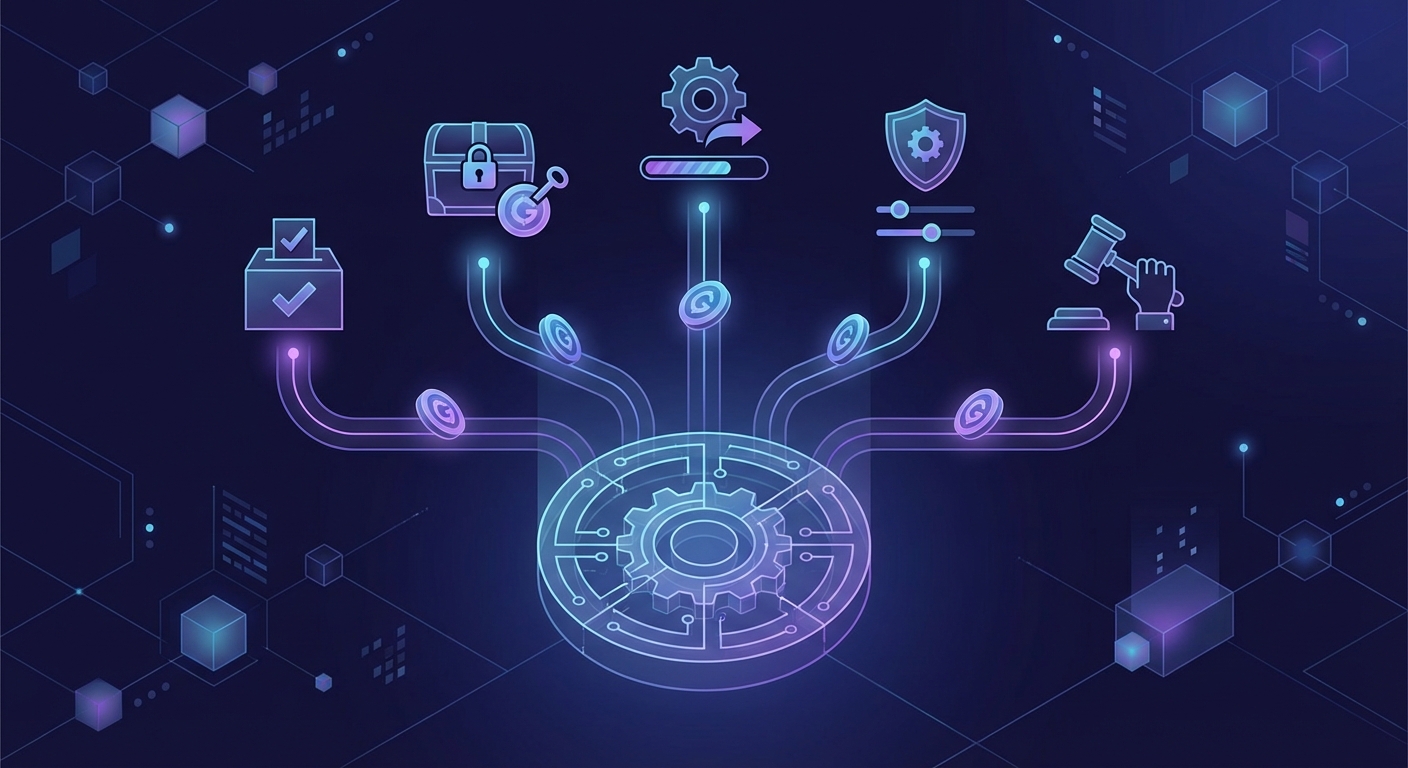
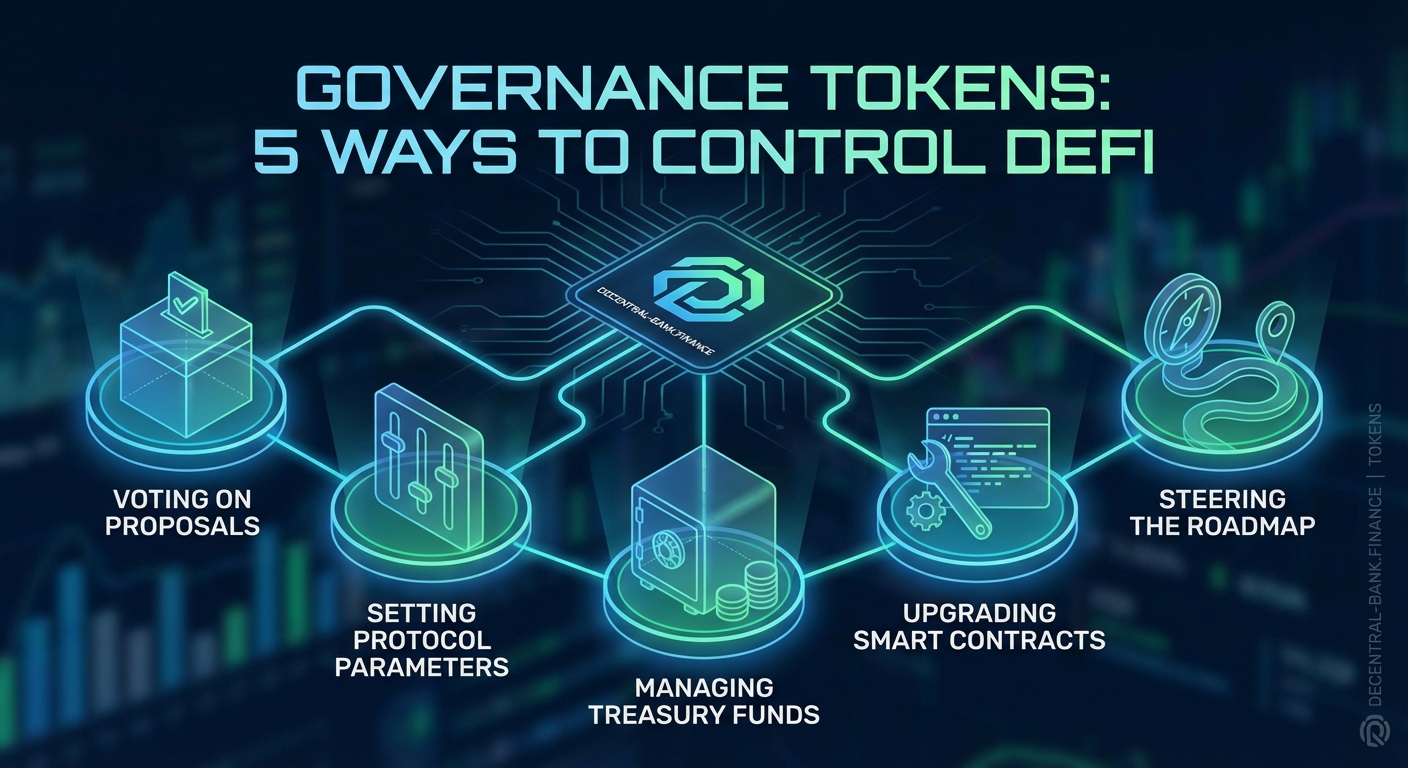
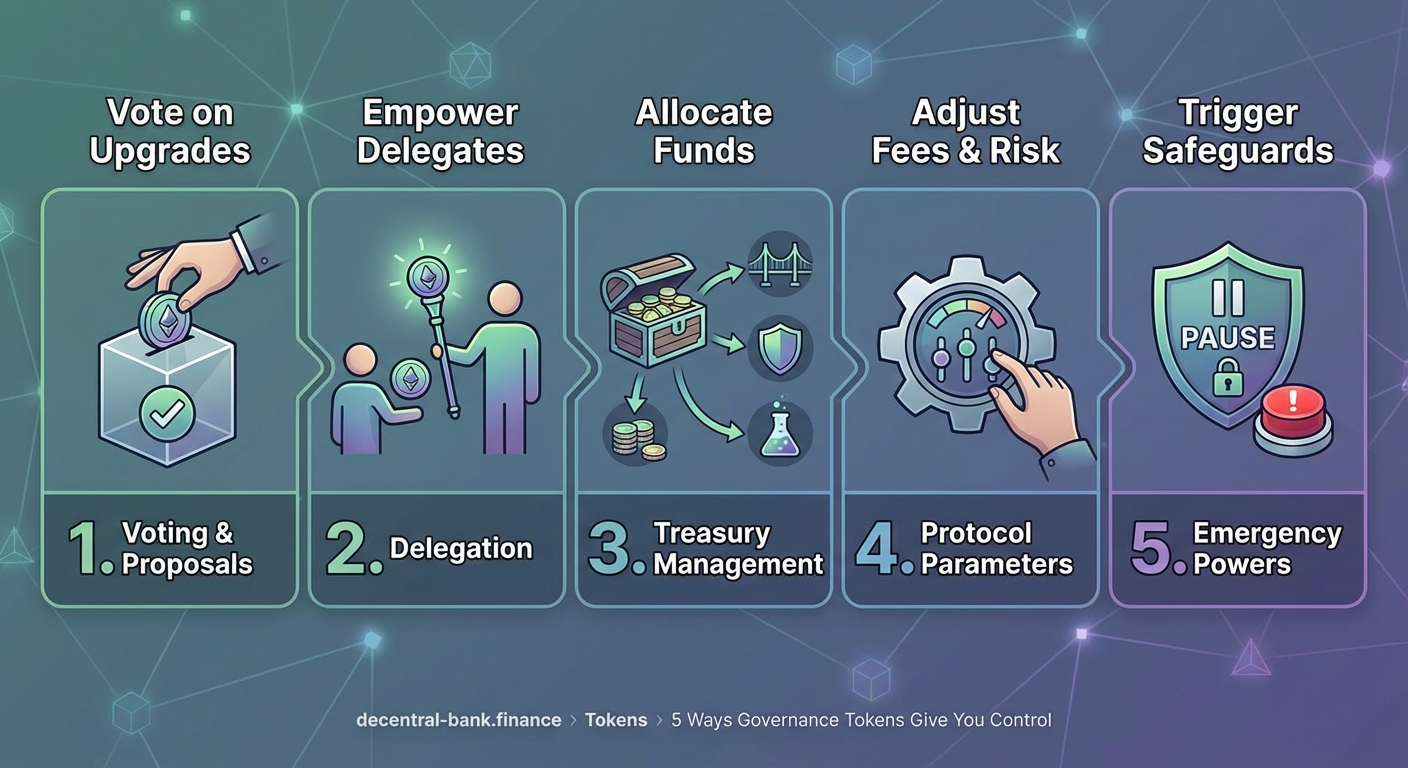
Governance tokens give holders the right to vote on specific protocol decisions. These aren’t symbolic votes or suggestion boxes. When a proposal passes, smart contracts automatically execute the changes.
Most DeFi protocols let token holders vote on treasury allocation. Protocols accumulate fees in their treasuries, sometimes worth millions. Token holders decide how to spend these funds, whether on developer grants, security audits, or liquidity incentives.
Parameter changes form another major category. Lending protocols adjust interest rate curves, collateral ratios, and liquidation thresholds through governance votes. Decentralized exchanges modify trading fees, liquidity mining rewards, and pool weights.
Protocol upgrades require governance approval in many systems. Adding new features, integrating with other protocols, or changing core mechanics all go through the voting process.
Some tokens control emergency powers. Pausing contracts during attacks, freezing suspicious accounts, or activating circuit breakers often require governance approval or a designated security council elected by token holders.
How voting power gets calculated
Your voting power typically equals the number of tokens you hold. One token equals one vote in most systems.
But timing matters. Protocols use snapshots to prevent vote manipulation. A snapshot captures token balances at a specific block height, usually when the proposal goes live. Buying tokens after the snapshot doesn’t increase your voting power for that proposal.
Some protocols implement vote locking for stronger commitment. You lock tokens for a set period and receive boosted voting power in return. Curve Finance pioneered this with veCRV, where longer lock periods grant more voting weight.
Quadratic voting appears in some experimental systems. Your voting power increases with token holdings, but at a decreasing rate. This prevents whales from dominating every decision.
Delegation multiplies participation. You can assign your voting power to another address without transferring tokens. This lets engaged community members accumulate voting power from passive holders who trust their judgment.
Submitting and voting on proposals
Creating a proposal requires meeting a minimum token threshold in most protocols. This prevents spam and ensures proposers have skin in the game.
The typical proposal lifecycle follows these stages:
- Discussion phase on community forums where ideas get refined
- Temperature check through off-chain polling to gauge interest
- Formal proposal submission with executable code and detailed documentation
- Voting period lasting anywhere from 24 hours to two weeks
- Execution if the proposal meets quorum and approval thresholds
Quorum requirements ensure sufficient participation. A proposal might need 10% of all tokens to vote for the result to count. Without quorum, even a unanimous vote fails.
Approval thresholds determine what percentage of votes must support a proposal. Simple majority (50% + 1) works for minor changes. Major upgrades might require 60% or 67% approval.
Voting happens on-chain through transactions. You connect your wallet, review the proposal, and submit a vote transaction. Gas fees apply, which can discourage participation during high network congestion.
Off-chain voting through platforms like Snapshot reduces costs. You sign a message proving token ownership without paying gas. Results get recorded off-chain, though execution still requires on-chain actions by a multisig or council.
Common governance token mechanics
Different protocols structure governance differently. Understanding these patterns helps you evaluate voting systems.
| Governance Model | How It Works | Example Protocol | Key Consideration |
|---|---|---|---|
| Direct democracy | All token holders vote directly | Uniswap | Requires active participation |
| Delegated voting | Assign votes to representatives | Compound | Trust in delegates matters |
| Council system | Elected group executes decisions | Optimism | Faster but more centralized |
| Conviction voting | Vote weight increases over time | 1hive | Rewards long-term thinking |
| Futarchy | Bet on outcomes to guide decisions | Gnosis (experimental) | Complex and unproven |
Token distribution affects governance quality. If founders and early investors hold 70% of tokens, they control all decisions regardless of community input. Check token distribution before assuming governance is truly decentralized.
Vesting schedules gradually release tokens to team members and investors. This prevents immediate dumps but also means voting power shifts over time as vested tokens unlock.
Treasury diversification proposals appear frequently. Protocols vote to convert some treasury assets from their native token into stablecoins or other assets. This reduces risk but can be contentious.
Real examples of governance in action
Uniswap token holders voted to fund a $1 million grant program for protocol development. The proposal specified how funds would be allocated and who would manage distribution.
MakerDAO regularly adjusts stability fees and collateral types through governance. Token holders voted to add real-world assets as collateral, a major shift from purely crypto-native backing.
Compound governance faced controversy when a proposal accidentally distributed too many COMP tokens due to a bug. The community voted on how to handle the situation, with some users voluntarily returning tokens.
Curve Finance holders vote weekly on gauge weights, determining which liquidity pools receive CRV emissions. This creates intense lobbying as projects compete for rewards.
Yearn Finance merged with multiple protocols through governance votes. Token holders approved combining treasuries and development teams, executed entirely through on-chain governance.
Governance participation is like showing up to town hall meetings. Most people skip them, then complain about decisions. The difference is your governance tokens actually guarantee your vote counts if you use them.
Risks and limitations of token governance
Low participation plagues most protocols. Typical votes see 5% to 15% of tokens participating. Whales and insiders dominate when retail holders don’t vote.
Voter apathy creates governance attacks. An attacker could buy tokens, pass a malicious proposal during low participation, then sell before anyone notices. Time locks and high quorum requirements mitigate this.
Plutocracy concerns arise when large holders control outcomes. If three wallets own 51% of tokens, they decide everything regardless of community preferences.
Proposal complexity discourages participation. Understanding technical proposals requires expertise most token holders lack. Voters often follow recommendations from trusted community members without independent analysis.
Short-term thinking affects decision-making. Token holders might vote for high emissions to pump price temporarily, damaging long-term sustainability.
Governance token value accrual remains unclear for many protocols. If tokens only grant voting rights without cash flows, why hold them? This creates misaligned incentives where speculators hold tokens but don’t participate in governance.
Regulatory uncertainty looms over governance tokens. Securities regulators might classify tokens that control protocol revenue as securities, creating legal risk for holders and protocols.
Making governance participation safer
Start by reading full proposals before voting. Don’t rely on summaries or social media takes. Review the actual code changes if you have technical skills.
Check who proposed changes and their history. Established community members with track records deserve more trust than anonymous new accounts.
Participate in discussion forums before votes go live. Understanding different perspectives helps you make informed decisions.
Use delegation wisely if you can’t actively participate. Research delegates’ voting history and reasoning. Many publish regular updates explaining their votes.
Monitor your delegated votes. Delegates can change positions or become inactive. Review and update delegations periodically.
Protect your governance tokens like any valuable asset:
- Store them in hardware wallets between votes
- Never share private keys or seed phrases
- Verify contract addresses before interacting
- Use separate wallets for governance and trading
Watch for governance attacks. Sudden proposals with short voting periods and minimal discussion signal potential problems. Large token purchases before proposals might indicate coordination.
Understand that voting creates an on-chain record. Your votes are public and permanent. Consider privacy implications before participating.
Building better decentralized protocols
Governance tokens represent an experiment in coordinating strangers around shared protocols. The technology works, but human coordination remains challenging.
Effective governance requires education. Protocols that invest in explaining proposals, hosting community calls, and creating accessible documentation see better participation.
Incentivizing votes helps but creates new problems. Paying people to vote encourages mercenary behavior rather than thoughtful participation.
Hybrid models combining token voting with expert councils balance decentralization and efficiency. Token holders elect councils to handle routine decisions while reserving major changes for full votes.
The future might bring improved voting mechanisms. Reputation systems, specialized voting rights for different decisions, and better delegation tools could all enhance governance.
For now, governance tokens give you real power if you choose to use it. That power comes with responsibility to understand what you’re voting on and how your decisions affect the protocol and other users.
Your tokens are your voice. Whether you vote directly, delegate thoughtfully, or simply stay informed about governance outcomes, participating in DeFi governance means taking ownership of the protocols you use.