You’re about to deposit your hard-earned crypto into a DeFi protocol promising 20% APY. But how do you know it won’t disappear overnight with your funds?
Thousands of investors lose money every year to unsafe protocols, exit scams, and poorly designed smart contracts. The good news is that you can learn to spot warning signs before risking your assets.
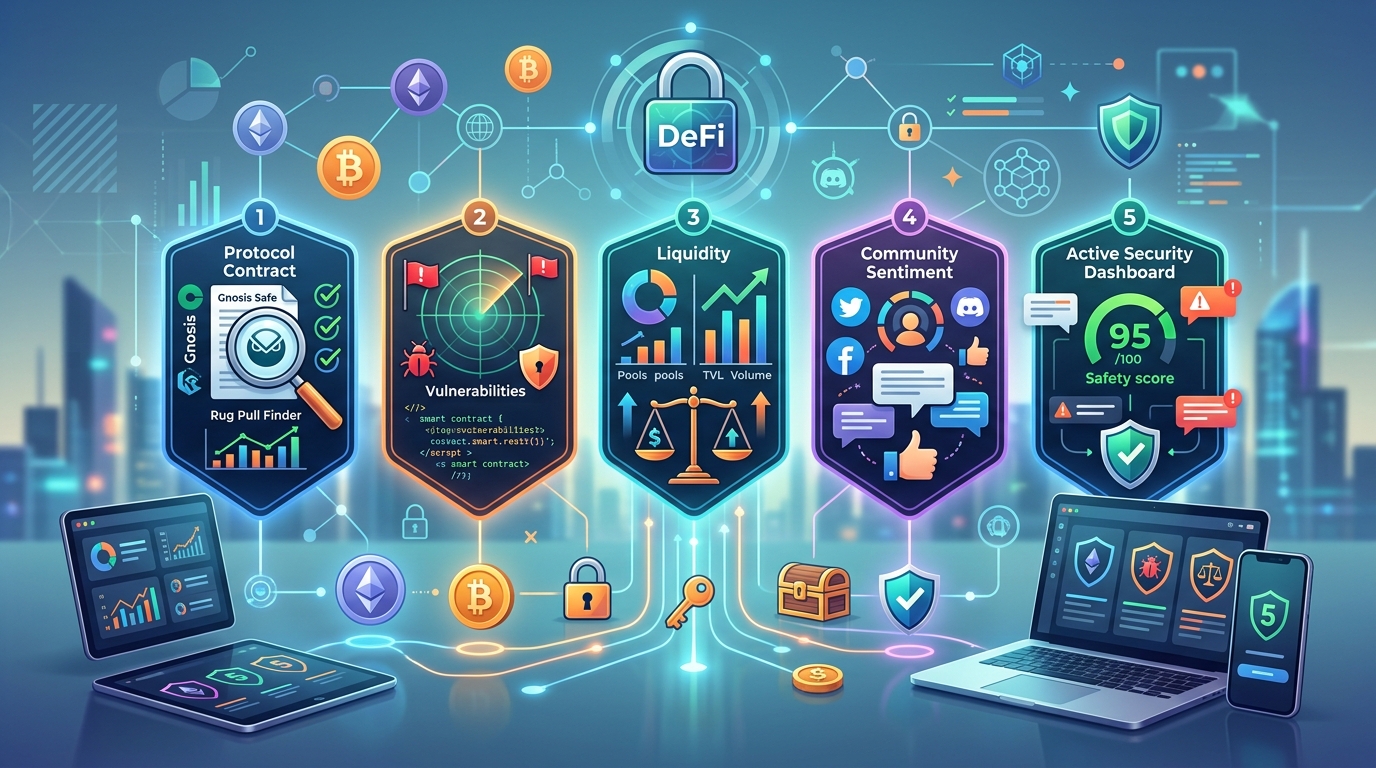
Checking if a DeFi protocol is safe requires examining multiple factors including smart contract audits, team transparency, liquidity depth, token distribution, and community feedback. No single indicator guarantees safety, but combining several verification methods dramatically reduces your risk of losing funds to scams or technical failures. Always start with small test amounts before committing significant capital.
Understanding why protocol safety matters in DeFi
Traditional banks have deposit insurance and regulatory oversight. DeFi protocols operate without these safety nets.
When something goes wrong, there’s usually no customer service to call. No insurance fund to reimburse you. No regulatory body to file complaints with.
This makes due diligence your only real protection.
The DeFi space has seen billions lost to hacks, rug pulls, and protocol failures. Many of these disasters could have been avoided if users had known what to check before investing.
Essential checks before trusting any DeFi protocol
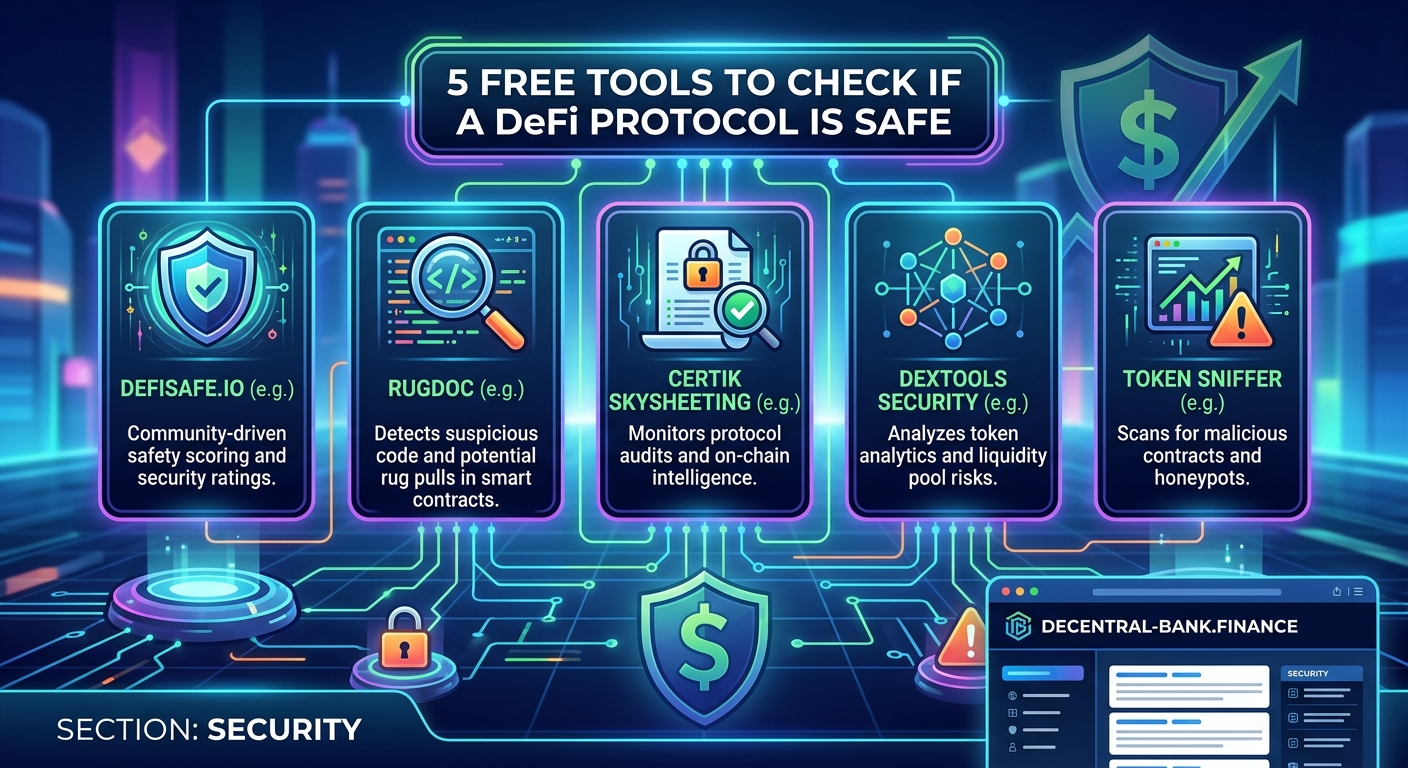
Running through a systematic safety checklist takes time, but it’s faster than recovering from a total loss.
Here’s what you need to verify:
Smart contract audits tell you about code quality
Professional security firms review protocol code looking for vulnerabilities. These audits aren’t perfect, but they catch many common mistakes.
Look for audits from reputable firms like CertiK, Trail of Bits, OpenZeppelin, or Consensys Diligence.
The audit report should be recent, ideally within the past six months. Protocols change their code over time, and old audits might not reflect current risks.
Read the actual audit report, not just the summary. Pay attention to critical and high-severity findings. Check whether the team fixed identified issues.
Some protocols display audit badges prominently but never actually fixed the problems auditors found. The badge alone means nothing without follow-through.
Team transparency reduces anonymous rug pull risk
Anonymous teams aren’t automatically scams, but they carry higher risk. Deciding whether to trust a protocol with an anonymous team requires extra caution.
Research the team members. Do they have LinkedIn profiles? GitHub histories? Previous successful projects?
Real teams usually have:
- Public team pages with photos and bios
- Active social media accounts predating the project
- Track records in crypto or related fields
- Willingness to do video AMAs
Be suspicious if the team only exists on Twitter accounts created last month.
Liquidity depth indicates exit capacity
A protocol might look safe until you try to withdraw and realize there’s not enough liquidity.
Check the total value locked (TVL) across all protocol pools. Higher TVL generally means more users trust the protocol, though it’s not foolproof.
Look at individual pool liquidity. Can you enter and exit your position without massive slippage eating your profits?
Thin liquidity creates two problems:
- You can’t exit your position without taking huge losses
- The protocol might not have enough funds to honor withdrawals during stress
Compare the protocol’s TVL to similar competitors. A lending protocol with $5 million TVL competing against established platforms with billions raises questions.
Token distribution reveals concentration risk
If a few wallets control most of the supply, those holders can manipulate prices or dump on retail investors.
Use blockchain explorers to check the top holder addresses. Healthy distribution typically shows:
- No single address holding more than 5-10% of supply
- Top 10 holders controlling less than 30% combined
- Team tokens locked in vesting contracts
- No massive unlocks scheduled soon
Token distribution models impact your returns more than most investors realize.
Watch out for protocols where the team holds 50% or more of tokens. Even with good intentions, this creates dangerous centralization.
Community feedback shows real user experiences
Official documentation always paints a rosy picture. Community channels reveal the truth.
Check these sources:
- Discord and Telegram groups for user complaints
- Reddit threads discussing the protocol
- Twitter mentions and sentiment
- GitHub issue trackers showing bugs
Look for patterns in complaints. One person having trouble might be user error. Dozens reporting similar problems indicates real issues.
Pay attention to how the team responds to criticism. Defensive teams that delete negative comments or ban questioners are red flags.
Step-by-step protocol verification process
Here’s a practical workflow you can follow every time you evaluate a new protocol:
- Visit the official website and read the documentation thoroughly
- Find and review all available security audit reports
- Check the team page and research individual members
- Examine smart contracts on the blockchain explorer
- Review token distribution using on-chain analytics
- Test the protocol with a small amount first
- Monitor your test position for at least one week
Never skip steps to save time. Each check catches different types of risks.
Red flags that should stop you immediately
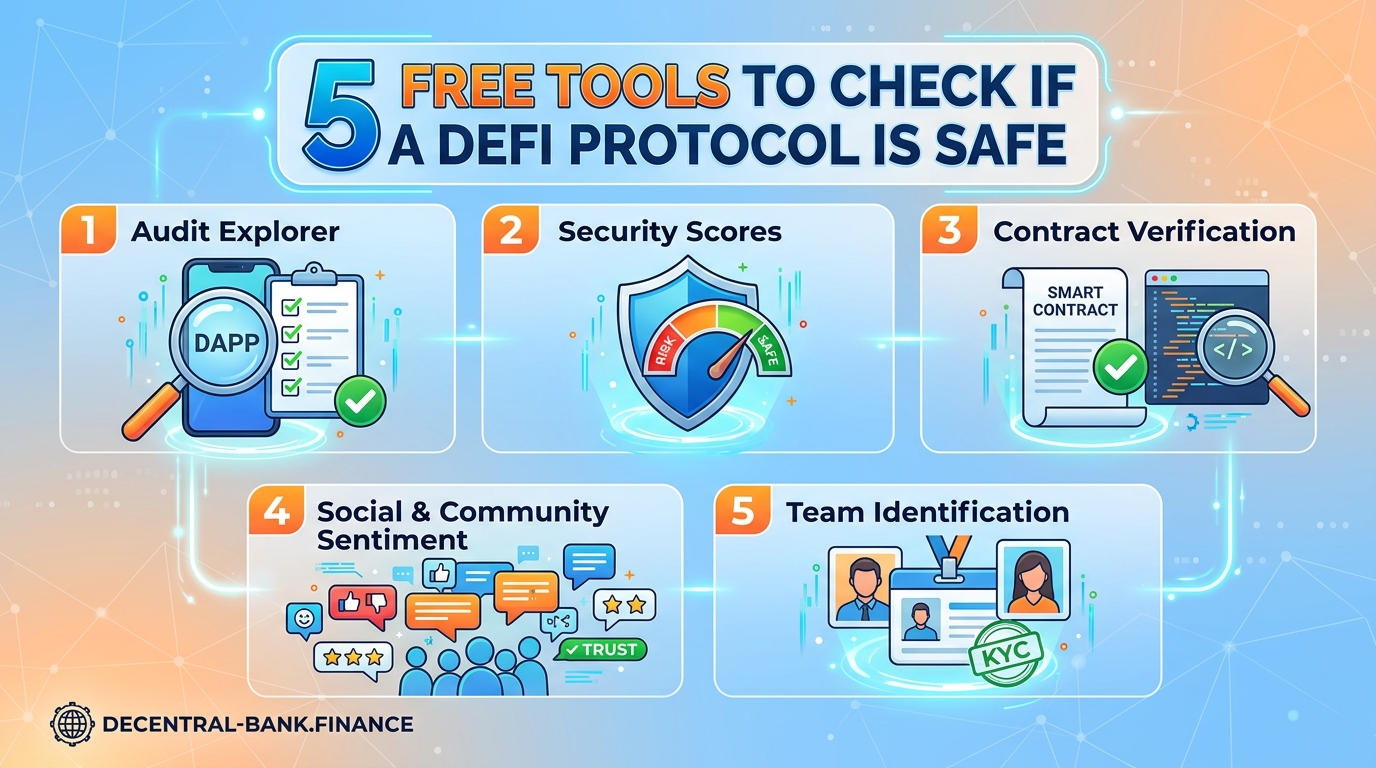
Some warning signs are so serious you should walk away without further investigation:
- Promises of guaranteed returns or “risk-free” yields
- Pressure to invest immediately before an opportunity closes
- Referral programs that pay more for recruiting than using the protocol
- Copied code from other projects without attribution
- No way to verify smart contract addresses
- Team members with histories of failed or scam projects
- Locked liquidity that the team can access anytime
- Anonymous team combined with poor documentation
Trust your instincts. If something feels wrong, it probably is.
Common safety verification mistakes to avoid
Even experienced users make these errors:
| Mistake | Why It’s Dangerous | Better Approach |
|---|---|---|
| Trusting social media hype | Bots and paid shills create fake enthusiasm | Verify claims independently |
| Assuming TVL equals safety | Large TVL can disappear overnight | Check liquidity depth and withdrawal capacity |
| Ignoring audit findings | Teams sometimes don’t fix critical issues | Read full audit reports and verify fixes |
| Skipping test transactions | You might discover problems too late | Always test with small amounts first |
| Following influencer recommendations | Many influencers are paid to promote | Do your own research regardless of who recommends it |
Using on-chain data to verify protocol health
Blockchain transparency gives you tools banks never offered. You can verify everything yourself.
Check these on-chain metrics:
Transaction volume: Active protocols show consistent daily transactions. Sudden drops might indicate users fleeing.
Unique active wallets: Growing user counts suggest healthy adoption. Declining numbers raise concerns.
Smart contract interactions: Real usage creates diverse interactions. Fake activity often shows repetitive patterns.
Fund flows: Watch for large deposits from known exchange wallets or suspicious addresses.
Tools like Etherscan, DeFiLlama, and Dune Analytics make this data accessible without coding skills.
Testing protocols safely before full commitment
Even after thorough research, start small.
Deposit only an amount you can afford to lose completely. Think of it as paying for real-world education about how the protocol actually works.
During your test period:
- Perform a full deposit and withdrawal cycle
- Check how gas fees impact your returns
- Verify you can access customer support if needed
- Monitor for unexpected behavior or errors
- Review your wallet’s token approvals afterward
If everything works smoothly for a week or two, you can consider increasing your position. But never invest more than you can afford to lose.
Understanding the limits of safety checks
No verification process catches everything. Protocols still get hacked despite audits.
Smart contract audits only review code at a specific point in time. Teams can deploy changes afterward that introduce new vulnerabilities.
Team transparency doesn’t prevent honest mistakes or technical failures. Even well-intentioned developers write buggy code.
High TVL doesn’t guarantee safety. Several major protocols with billions locked have suffered catastrophic failures.
Think of safety checks as risk reduction, not risk elimination. DeFi carries inherent risks that you can minimize but never remove completely.
Building your personal risk tolerance framework
Different investors have different risk appetites. Your safety standards should reflect your situation.
Conservative approach:
- Only use protocols that have operated successfully for over a year
- Require multiple audits from top-tier firms
- Demand fully doxxed teams with strong track records
- Accept lower yields for higher security
Moderate approach:
- Consider newer protocols with solid audits
- Accept anonymous teams if other safety factors are strong
- Balance yield opportunities against security concerns
- Diversify across multiple protocols
Aggressive approach:
- Willing to try new protocols for higher yields
- Comfortable with anonymous teams if code looks good
- Accept higher risk for potentially higher returns
- Keep most funds in safer protocols while experimenting
“The best safety strategy is the one you’ll actually follow. A complex process you skip is worse than a simple process you use every time.” — DeFi security researcher
Recognizing when to exit a protocol
Safety isn’t just about choosing good protocols. It’s also about knowing when to leave.
Exit signals include:
- Team members suddenly going silent on social media
- Unexplained drops in TVL or active users
- Critical bugs discovered but not fixed promptly
- Major changes to tokenomics without community approval
- Competitors launching with better security practices
- Your staking position approaching liquidation risk
Set up alerts for protocols where you have significant funds deposited. Many tracking tools can notify you of unusual activity.
Staying informed about emerging threats
The DeFi security landscape changes constantly. Threats that didn’t exist last year become common today.
Flash loan attacks exploited vulnerabilities most people didn’t know existed. New attack vectors emerge regularly.
Stay current by:
- Following security researchers on Twitter
- Reading post-mortem reports after major hacks
- Joining DeFi security Discord communities
- Subscribing to protocol security newsletters
- Reviewing recent regulatory changes affecting protocols
Learning from others’ mistakes is cheaper than making them yourself.
Protecting yourself beyond protocol selection
Even safe protocols can’t protect you from wallet security failures.
Choosing the right wallet type matters as much as choosing safe protocols.
Additional protection layers:
- Use hardware wallets for large holdings
- Enable all available security features
- Secure your seed phrase properly
- Review and revoke unnecessary token approvals regularly
- Keep most funds offline, only moving what you need for active use
Wallet security mistakes cause more losses than protocol failures for many users.
Making protocol safety checks part of your routine
The verification process becomes faster with practice. What takes an hour the first time takes 15 minutes after you’ve done it a few times.
Create a personal checklist and save it somewhere accessible. Update it as you learn about new risks or verification methods.
Consider keeping a spreadsheet tracking:
- Protocols you’ve researched
- Your safety rating for each
- Date of last review
- Amount you’re comfortable depositing
- Scheduled dates to reassess
Regular reviews catch deteriorating conditions before they become disasters.
Balancing safety with opportunity
Perfect safety means never participating in DeFi at all. Perfect opportunity-seeking means ignoring all safety considerations.
The sweet spot lies between these extremes.
Start with established protocols that have proven track records. Understanding how basic DeFi mechanisms work helps you evaluate newer opportunities later.
As you gain experience and confidence, you can gradually explore newer protocols while keeping most funds in safer options.
Think of it like learning to drive. You start in empty parking lots before attempting highways. Similarly, start with battle-tested protocols before experimenting with cutting-edge innovations.
Your safety checklist starts today
You now have the framework to evaluate any DeFi protocol before risking your funds.
The process takes time and effort. But so does recovering from losses or explaining to yourself why you ignored obvious warning signs.
Start building the habit now. Pick a protocol you’re currently using or considering. Run through the complete verification process. You might be surprised by what you find.
Remember that even careful research can’t eliminate all risks. But it dramatically improves your odds of avoiding the most common and preventable disasters. That difference alone makes the effort worthwhile.
Your crypto security starts with the choices you make before clicking that deposit button.